
Heat Resistant Tile – Advanced Flooring & Roofing Solution for Extreme Heat Protection
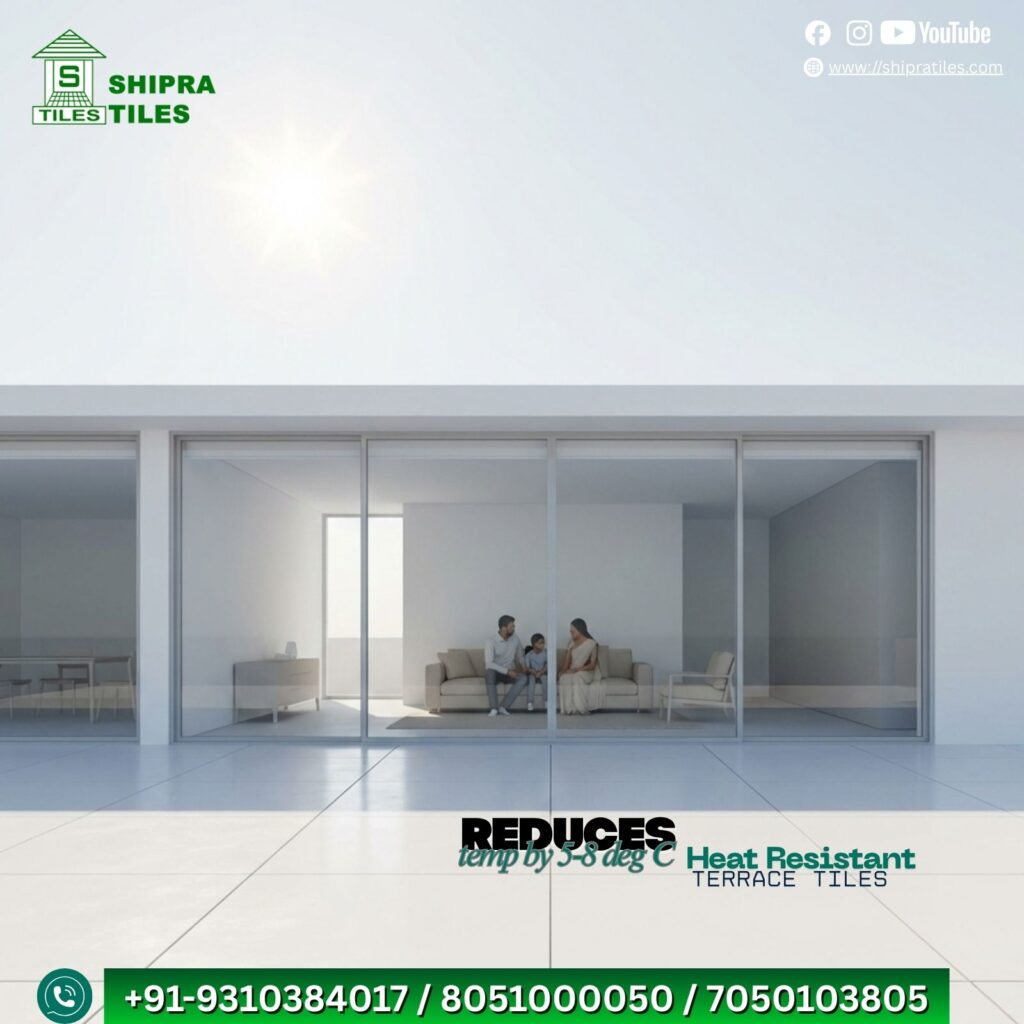
Introduction to Heat Resistant Tiles Rising temperatures and prolonged heat waves have become a serious concern for modern buildings. One of the biggest contributors to indoor heat is the roof and exposed flooring surfaces that absorb direct sunlight throughout the day. Conventional tiles and concrete surfaces trap heat and slowly release it inside the building, making interiors uncomfortable and increasing electricity consumption. Heat Resistant Tiles are specially designed to address this issue by reducing heat absorption and improving thermal comfort. Heat resistant tiles are engineered to withstand high temperatures while reflecting solar radiation. They are increasingly used in residential, commercial, and industrial projects to keep buildings cooler, reduce energy costs, and protect structural surfaces from heat-related damage. Whether installed on rooftops, terraces, balconies, or outdoor flooring areas, these tiles provide an effective and long-lasting solution to heat management. What Is a Heat Resistant Tile? A heat resistant tile is a specially manufactured tile designed to resist high temperatures and minimize heat transfer. Unlike regular tiles, these tiles are made using advanced materials, reflective coatings, or insulating compounds that prevent excessive heat absorption. Heat resistant tiles are commonly used on terraces, rooftops, open balconies, outdoor walkways, and industrial floors where exposure to sunlight and high temperatures is continuous. Their primary purpose is to reduce surface temperature and prevent heat from penetrating the building structure. Why Heat Resistant Tiles Are Important In hot and tropical regions, surface temperatures of roofs and terraces can exceed 55–65°C during peak summer months. This excessive heat leads to: Uncomfortable indoor living conditions Increased air conditioning and cooling costs Faster wear and tear of roofing structures Cracks due to thermal expansion Higher energy consumption and carbon emissions Heat resistant tiles help control these issues by acting as a thermal barrier. They significantly reduce heat absorption and improve overall energy efficiency, making them an essential component of modern construction. Key Features of Heat Resistant Tiles 1. High Thermal ResistanceHeat resistant tiles are designed to withstand extreme surface temperatures without losing strength or performance. 2. Solar Heat ReflectionLight-colored surfaces and reflective coatings help bounce sunlight away, reducing heat buildup. 3. Low Thermal ConductivityThese tiles slow down heat transfer from the surface to the structure below. 4. Weather ResistanceThey perform well under intense sunlight, heavy rain, humidity, and pollution. 5. Low Water AbsorptionMinimal water absorption prevents seepage, dampness, and damage to the roof slab. 6. Anti-Slip FinishTextured surfaces improve safety during rain and wet conditions. 7. Long Service LifeHeat resistant tiles retain their performance for many years with minimal maintenance. Benefits of Using Heat Resistant Tiles 1. Reduces Indoor Temperature Heat resistant tiles can lower surface temperature by 8–15°C compared to traditional flooring or roofing surfaces. This directly improves indoor comfort. 2. Saves Electricity Reduced heat penetration means less reliance on air conditioners and coolers, resulting in lower electricity bills. 3. Improves Living Comfort Rooms below terraces and rooftops remain cooler, especially during peak summer afternoons and evenings. 4. Protects Building Structure Continuous exposure to heat can weaken concrete slabs over time. Heat resistant tiles protect roofs from thermal stress and cracking. 5. Enhances Property Value Buildings equipped with heat-resistant solutions are more attractive to buyers and tenants. 6. Eco-Friendly Solution Lower energy usage contributes to reduced carbon emissions and supports sustainable construction practices. Types of Heat Resistant Tiles 1. Ceramic Heat Resistant TilesMade from natural clay and minerals, ceramic tiles offer good heat resistance and are suitable for residential terraces. 2. Vitrified Heat Resistant TilesThese tiles are dense, strong, and have very low water absorption, making them ideal for high-traffic outdoor areas. 3. Concrete Heat Resistant TilesSpecially treated concrete tiles with reflective coatings provide excellent durability and heat reduction. 4. Cool Roof TilesDesigned using advanced reflective technology, cool roof tiles deliver maximum heat reflection. 5. Insulated Heat Resistant TilesThese tiles incorporate insulation layers for enhanced thermal performance. Applications of Heat Resistant Tiles Heat resistant tiles are versatile and suitable for various applications, including: Residential rooftops and terraces Apartment buildings Commercial complexes Hospitals and healthcare centers Educational institutions Industrial sheds and factories Hotels and resorts Balconies and open corridors Outdoor flooring and walkways Their adaptability makes them suitable for both new construction projects and renovation works. Heat Resistant Tiles for Indian Climate India’s climate includes intense summers, heavy monsoons, humidity, and pollution. Heat resistant tiles are specifically designed to perform well in such conditions. They are especially beneficial in states like Rajasthan, Gujarat, Maharashtra, Bihar, Jharkhand, Uttar Pradesh, Telangana, Andhra Pradesh, and Delhi NCR, where summer temperatures are extreme. These tiles help maintain indoor comfort even during peak heat, making them a practical choice for Indian households and commercial buildings. Installation Process Proper installation is crucial to achieve maximum heat resistance. The general installation steps include: Cleaning and leveling the surface Applying waterproofing treatment Laying tiles using adhesive or mortar Maintaining proper spacing and alignment Grouting and sealing joints Final inspection and curing Professional installation ensures durability and optimal thermal performance. Maintenance and Care Heat resistant tiles require minimal maintenance. Regular cleaning with water and mild detergent is sufficient. Avoid harsh chemicals that may damage reflective surfaces. Periodic inspection helps maintain long-term effectiveness. Comparison with Conventional Tiles Feature Conventional Tiles Heat Resistant Tiles Heat Absorption High Low Indoor Comfort Poor Improved Energy Efficiency Low High Roof Protection Minimal Excellent Maintenance Moderate Low Lifespan Average Long Cost Effectiveness While heat resistant tiles may cost slightly more than regular tiles initially, they offer long-term savings. Reduced energy bills, lower maintenance costs, and extended roof life make them a cost-effective investment over time. Why Choose Heat Resistant Tiles? Effective heat reduction Improved thermal comfort Long-lasting durability Energy savings Environment-friendly solution Suitable for modern and traditional buildings These tiles are a smart choice for anyone looking to improve comfort and efficiency without major structural changes. Environmental Benefits Heat resistant tiles contribute to energy conservation by reducing cooling demand. Lower energy usage means fewer greenhouse gas emissions, making them an environmentally responsible building material. Conclusion Heat Resistant Tiles are a modern and practical solution
Are Terracotta Tiles Heat Resistant? Benefits, Performance, and Real-World Applications

Introduction: Understanding Heat Resistance in Building Materials In regions where summer temperatures soar, managing indoor heat becomes one of the biggest challenges for homeowners, architects, and builders. Roofs and terraces receive direct sunlight for most of the day, turning buildings into heat traps. This has led many people to search for natural and sustainable solutions that can reduce heat without relying heavily on air conditioning. One of the most frequently asked questions in this context is: Are terracotta tiles heat resistant? Terracotta tiles have been used in construction for centuries, long before modern cooling technologies existed. From traditional homes to temples and heritage buildings, terracotta roofing and flooring have stood the test of time. Their continued use in modern architecture raises an important question—do terracotta tiles actually help in reducing heat, or is it just a traditional belief? This detailed guide explores the heat resistance of terracotta tiles, how they work, their benefits, limitations, and why they are still considered one of the best natural cooling materials for hot climates. What Are Terracotta Tiles? Terracotta tiles are made from natural clay that is shaped and fired at high temperatures in a kiln. The word “terracotta” literally means baked earth. Unlike synthetic or chemically processed tiles, terracotta is a natural material with minimal processing. These tiles are commonly used for: Roof coverings Terrace flooring Courtyards and verandas Outdoor walkways Traditional and modern architectural designs Because terracotta tiles are porous and breathable, they behave very differently from concrete, ceramic, or vitrified tiles when exposed to heat. Are Terracotta Tiles Heat Resistant? – The Direct Answer Yes, terracotta tiles are naturally heat resistant. Terracotta tiles do not absorb and retain heat the way concrete or metal surfaces do. Instead, they have low thermal conductivity, which means they slow down the transfer of heat from the roof or floor into the interior spaces of a building. Rather than trapping heat, terracotta tiles help regulate temperature, keeping interiors cooler during the day and more balanced at night. How Terracotta Tiles Reduce Heat Naturally 1. Low Thermal Conductivity Terracotta clay does not allow heat to pass through easily. When sunlight hits the tile surface, only a small amount of heat is transferred downward. 2. Porous Structure The tiny pores in terracotta allow air circulation and moisture retention. This creates a natural cooling effect, especially when tiles are exposed to evening winds or occasional water contact. 3. Natural Insulation Terracotta tiles act as a thermal barrier between the sun and the roof slab, reducing heat penetration into rooms below. 4. Heat Dissipation Unlike concrete, which stores heat and releases it slowly at night, terracotta dissipates heat faster, preventing prolonged indoor warmth. Terracotta Tiles vs Other Roofing Materials (Heat Performance) Material Heat Absorption Cooling Efficiency Concrete Roof Very High Low Metal Sheets Extremely High Very Low Ceramic Tiles Moderate Medium Vitrified Tiles High Low Terracotta Tiles Low High This comparison clearly shows why terracotta remains a preferred choice in hot regions. Terracotta Tiles and Traditional Architecture Traditional Indian homes, especially in villages and old city areas, widely used terracotta roof tiles. These structures were designed for passive cooling—keeping interiors comfortable without mechanical cooling systems. Some architectural reasons terracotta was preferred: Natural temperature regulation Comfort during extreme summers Reduced indoor heat buildup Better airflow Modern architects are now reintroducing terracotta tiles in sustainable and eco-friendly designs for the same reasons. Terracotta Tiles for Terrace and Roof Applications Terracotta tiles are especially effective when used on terraces and roofs, where heat exposure is maximum. Benefits on terraces include: Cooler roof surface temperatures Reduced heat transfer to upper floors Comfortable terrace usage even in summer evenings Protection of concrete slabs from thermal stress When installed properly, terracotta terrace tiles can reduce roof surface temperatures by 8–12°C compared to bare concrete. Terracotta Tiles for Indian Climate India’s climate includes: Intense summer heat High humidity Heavy monsoon rains Large temperature fluctuations Terracotta tiles perform exceptionally well in these conditions. Their breathable nature allows them to adapt naturally to environmental changes. They are widely used and effective in states such as: Rajasthan Gujarat Maharashtra Telangana Andhra Pradesh Bihar Jharkhand Uttar Pradesh Tamil Nadu Energy Saving Benefits of Terracotta Tiles One of the biggest advantages of using terracotta tiles is energy efficiency. Because terracotta tiles keep buildings cooler: Air conditioner usage is reduced Electricity bills are lower Carbon footprint is minimized This makes terracotta tiles an ideal solution for people looking to build energy-efficient and eco-friendly homes. Terracotta Tiles vs Heat Resistant Synthetic Tiles Modern heat-resistant tiles often use reflective coatings or engineered insulation. While these tiles are effective, terracotta offers a natural alternative. Aspect Terracotta Tiles Synthetic Heat Resistant Tiles Material Natural clay Engineered materials Heat Resistance Natural Coating-based Eco-Friendliness Very High Moderate Lifespan Long Long Maintenance Low Low to Moderate Terracotta does not rely on artificial coatings that may degrade over time, making its heat resistance long-lasting. Do Terracotta Tiles Get Hot in Direct Sunlight? Terracotta tiles may feel warm to the touch under strong sunlight, but they do not store heat like concrete or stone surfaces. Once the sun intensity reduces, terracotta tiles cool down faster, preventing heat from lingering into the night. This is a crucial reason why rooms under terracotta roofs remain comfortable even after sunset. Limitations of Terracotta Tiles While terracotta tiles are heat resistant, it is important to understand their limitations: They are heavier than some modern tiles Improper installation can lead to water seepage Periodic inspection is required in high rainfall areas However, these issues can be easily managed with proper installation and maintenance. Installation and Heat Performance Correct installation plays a major role in maximizing the heat resistance of terracotta tiles. Best practices include: Proper slope for water drainage Adequate spacing for airflow Quality waterproofing below tiles Use of experienced installers When installed correctly, terracotta tiles deliver excellent thermal performance for decades. Maintenance and Longevity Terracotta tiles require minimal maintenance. Occasional cleaning and checking for broken tiles is usually sufficient. Their natural composition ensures they