
Heat Resistant Tiles for Terrace in India – Smart Roofing Solution for Extreme Indian Summers

Introduction: The Need for Heat Resistant Terrace Tiles in India India experiences some of the harshest summer conditions in the world. In many regions, temperatures regularly cross 40°C, and rooftop surface temperatures can rise above 60°C. This excessive heat penetrates concrete roofs, turning homes and buildings into heat traps. As a result, indoor spaces become uncomfortable, electricity consumption rises sharply, and the lifespan of buildings is affected. Heat resistant tiles for terrace in India have become an essential roofing solution to combat this growing problem. These tiles are specially designed to reduce heat absorption, reflect sunlight, and provide thermal insulation, making homes and commercial buildings cooler and more energy-efficient. With increasing awareness about energy savings, sustainability, and comfort, heat resistant terrace tiles are now widely used across residential, commercial, and industrial projects throughout India. What Are Heat Resistant Tiles for Terrace? Heat resistant terrace tiles are specially engineered roofing or flooring tiles designed to minimize heat absorption from sunlight. Unlike traditional concrete or ordinary tiles, these tiles use advanced materials, reflective surfaces, and insulating properties to block heat transfer. In the Indian context, these tiles are manufactured keeping in mind: High solar radiation Long summer durations Heavy monsoon rainfall Dust, pollution, and humidity They act as a protective thermal layer over the roof slab, significantly reducing the amount of heat entering the building. Why Heat Resistant Terrace Tiles Are Important in India India’s climate varies from region to region, but extreme heat is a common factor across most states. Traditional roofing systems struggle to cope with prolonged heat exposure, leading to several problems: High indoor temperatures Increased air conditioner usage Rising electricity bills Roof cracks due to thermal expansion Reduced comfort and productivity Heat resistant tiles for terrace in India address these issues effectively by controlling roof temperature naturally and sustainably. Key Features of Heat Resistant Terrace Tiles 1. High Solar ReflectivityThese tiles reflect a large portion of sunlight, preventing heat buildup on the terrace. 2. Thermal InsulationThey reduce heat transfer from the roof to the interior, keeping rooms cooler during peak summer hours. 3. Weather ResistanceDesigned to withstand Indian weather conditions, including heavy rains, intense sun, and humidity. 4. Strong and DurableHeat resistant tiles are tough, load-bearing, and suitable for regular terrace usage. 5. Anti-Slip SurfaceMost terrace tiles come with anti-skid textures, making them safe during monsoons. 6. Low MaintenanceMinimal cleaning and upkeep are required to maintain performance and appearance. Benefits of Heat Resistant Tiles for Terrace in India 1. Significant Reduction in Indoor Temperature Heat resistant terrace tiles can lower roof surface temperatures by 8–15°C, resulting in noticeably cooler interiors. 2. Lower Electricity Bills Reduced dependency on air conditioners and coolers leads to substantial energy savings. 3. Enhanced Living Comfort Bedrooms, living rooms, and workspaces below the terrace remain more comfortable throughout the day. 4. Protection of Roof Slab Tiles act as a shield, protecting concrete roofs from thermal stress, cracks, and water seepage. 5. Long-Term Cost Savings Though initial investment may be higher, reduced energy and maintenance costs make them economical in the long run. 6. Environment-Friendly Solution Lower energy consumption reduces carbon footprint, supporting sustainable construction. Types of Heat Resistant Terrace Tiles Used in India 1. Ceramic Heat Resistant TilesWidely used in Indian homes, ceramic tiles provide good thermal insulation and durability. 2. Vitrified Heat Resistant TilesKnown for strength and low water absorption, ideal for heavy-duty terrace use. 3. Concrete Heat Resistant TilesManufactured with reflective coatings and insulating materials for effective heat reduction. 4. Cool Roof TilesDesigned specifically to reflect maximum sunlight and reduce rooftop temperature. 5. Precast Heat Resistant Terrace TilesFactory-made tiles offering uniform quality, faster installation, and excellent heat resistance. Applications of Heat Resistant Terrace Tiles in India Independent houses and villas Apartments and residential complexes Commercial buildings and offices Hospitals and healthcare facilities Schools and colleges Industrial units and warehouses Hotels, resorts, and guest houses Farmhouses and rural homes Their adaptability makes them suitable for both new construction and renovation projects. Performance in Indian Climate Conditions India’s climate includes extreme heat, heavy monsoon rains, high humidity, and dust pollution. Heat resistant tiles for terrace in India are designed to perform efficiently under all these conditions. They are particularly beneficial in states like: Rajasthan Gujarat Maharashtra Telangana Andhra Pradesh Tamil Nadu Karnataka Uttar Pradesh Bihar Jharkhand Delhi NCR These tiles maintain performance even under prolonged sun exposure and seasonal weather changes. Installation Process Proper installation is crucial for achieving maximum benefits from heat resistant terrace tiles. Typical Installation Steps: Surface cleaning and leveling Waterproofing treatment on roof slab Application of adhesive or mortar Tile placement with proper alignment Grouting and joint sealing Final curing and inspection Professional installation ensures durability, heat resistance, and long-term performance. Maintenance and Care Heat resistant terrace tiles require very little maintenance. Regular cleaning with water and mild detergent helps maintain reflectivity and appearance. Occasional inspection ensures tiles remain intact and effective. Comparison: Traditional Roof vs Heat Resistant Terrace Tiles Feature Traditional Concrete Roof Heat Resistant Terrace Tiles Heat Absorption Very High Low Indoor Comfort Poor High Energy Efficiency Low High Maintenance Moderate Low Roof Protection Limited Excellent Lifespan Average Long Cost Consideration in India The price of heat resistant tiles for terrace in India varies depending on material, size, thickness, and brand. While the upfront cost may be slightly higher than conventional tiles, the long-term benefits in energy savings and reduced maintenance justify the investment. Over time, the tiles help recover costs through lower electricity bills and extended roof life. Why Choose Heat Resistant Tiles for Terrace in India? Designed specifically for Indian weather conditions Effective heat reduction during extreme summers Improved indoor comfort and productivity Reduced energy consumption Long-lasting and durable Ideal for residential and commercial buildings They are not just tiles but a smart solution for modern Indian construction. Environmental and Sustainability Benefits By naturally reducing indoor heat, heat resistant terrace tiles reduce the need for artificial cooling. This helps lower energy demand and greenhouse gas emissions, making them a sustainable choice for eco-conscious construction projects.
Precast Heat Resistant Terrace Tiles – Durable Roofing Solution for Superior Heat Control
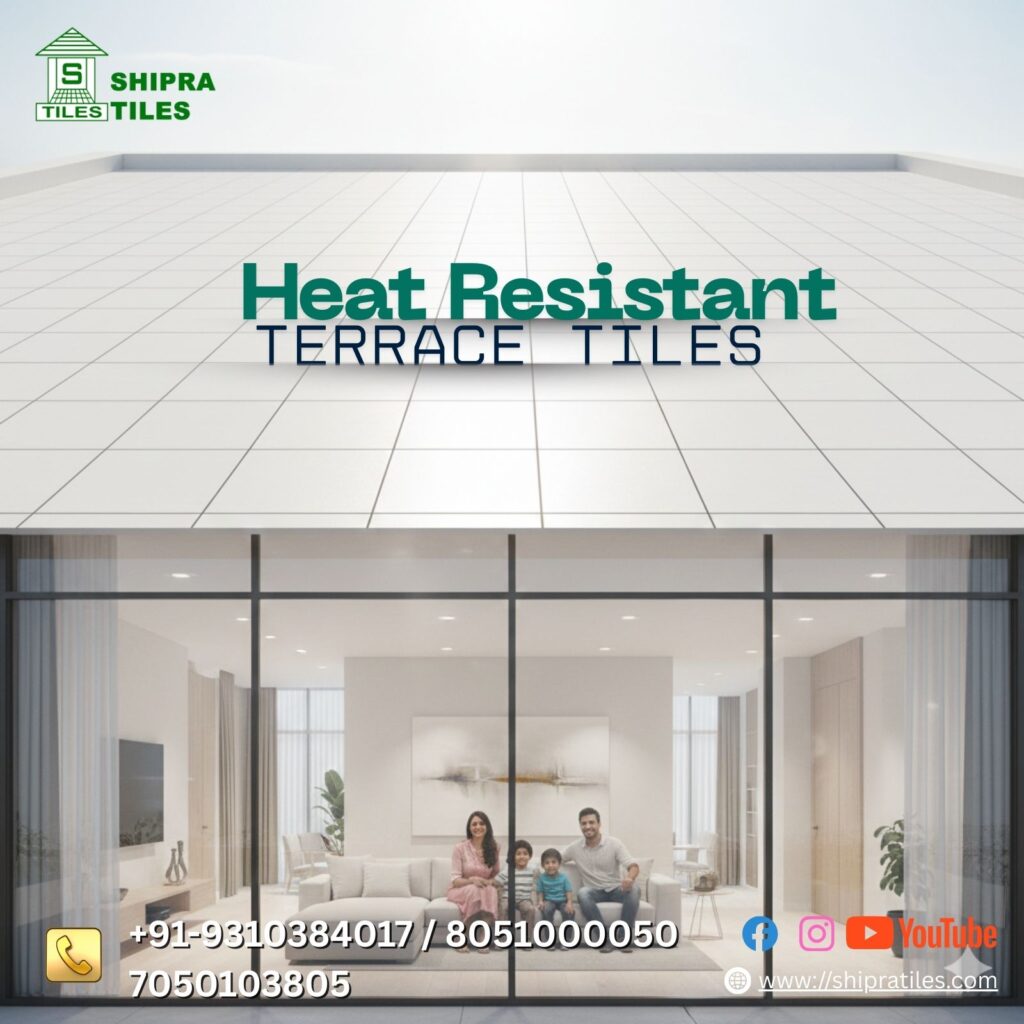
Introduction to Precast Heat Resistant Terrace Tiles Modern construction demands materials that are strong, efficient, and capable of handling extreme weather conditions. One of the most common challenges faced by buildings, especially in hot regions, is excessive heat accumulation on rooftops. Concrete slabs absorb intense sunlight throughout the day, causing indoor temperatures to rise significantly. Precast Heat Resistant Terrace Tiles offer a reliable and long-lasting solution to this problem. These tiles are manufactured in a controlled environment using advanced precast technology and heat-resistant materials. Unlike conventional on-site flooring or roofing solutions, precast terrace tiles provide consistent quality, superior thermal performance, and faster installation. They are designed specifically to reduce heat absorption, protect roof surfaces, and improve overall living comfort. What Are Precast Heat Resistant Terrace Tiles? Precast heat resistant terrace tiles are factory-made concrete or composite tiles engineered to withstand high temperatures while minimizing heat transfer into the building. The precast manufacturing process ensures precise dimensions, uniform thickness, and consistent strength. These tiles often include heat-reflective aggregates, insulating compounds, and surface treatments that significantly lower roof surface temperature. Once installed on terraces or rooftops, they act as a protective thermal barrier between the sun and the building structure. Importance of Precast Heat Resistant Terrace Tiles In hot and tropical climates, rooftops are exposed to direct sunlight for long hours. This results in: High indoor temperatures Increased electricity consumption Faster deterioration of roof slabs Cracks due to thermal expansion Precast heat resistant terrace tiles address all these issues effectively. By reflecting solar radiation and reducing heat penetration, they help maintain a stable indoor temperature and extend the life of the roof. Key Features of Precast Heat Resistant Terrace Tiles 1. Factory-Controlled QualityPrecast tiles are produced under strict quality standards, ensuring uniform strength, finish, and thermal performance. 2. Excellent Heat ResistanceSpecially designed materials and coatings reduce heat absorption and improve rooftop cooling. 3. High Structural StrengthThese tiles are strong enough to withstand foot traffic, weather changes, and long-term use. 4. Weather and UV ResistanceThey perform well in extreme sunlight, heavy rainfall, and fluctuating temperatures. 5. Low Water AbsorptionMinimal water absorption prevents seepage, dampness, and structural damage. 6. Anti-Slip SurfaceDesigned for safety, especially during monsoon seasons. Benefits of Precast Heat Resistant Terrace Tiles 1. Effective Heat Reduction Precast heat resistant terrace tiles can reduce roof surface temperature by up to 10–15°C compared to exposed concrete surfaces. 2. Energy Efficiency By keeping interiors cooler, these tiles reduce the need for air conditioners and coolers, leading to lower electricity bills. 3. Faster Installation Since tiles are precast, installation is quicker and cleaner than traditional on-site construction methods. 4. Long-Term Cost Savings Although initial investment may be slightly higher, reduced energy costs and low maintenance make them highly economical in the long run. 5. Enhanced Roof Protection Tiles act as a protective layer, shielding the roof slab from direct heat, rain, and wear. 6. Improved Aesthetics Available in various colors, textures, and finishes, they enhance the visual appeal of terraces. Types of Precast Heat Resistant Terrace Tiles 1. Precast Concrete Heat Resistant TilesMade from high-strength concrete mixed with heat-reflective materials. 2. Insulated Precast Terrace TilesIncorporate insulation layers for enhanced thermal performance. 3. Interlocking Precast Terrace TilesDesigned for easy installation and better stability. 4. Reflective Surface Precast TilesFeature light-colored or coated surfaces to reflect maximum sunlight. Applications of Precast Heat Resistant Terrace Tiles Residential house terraces Apartment rooftops Commercial complexes Educational institutions Hospitals and healthcare facilities Industrial buildings and warehouses Hotels, resorts, and villas Farmhouses and guest houses These tiles are suitable for both new construction projects and terrace renovation works. Suitability for Indian Climate India’s climate poses unique challenges such as extreme heat, monsoon rains, humidity, and pollution. Precast heat resistant terrace tiles are specifically designed to handle these conditions. They perform exceptionally well in states like Bihar, Jharkhand, Uttar Pradesh, Rajasthan, Gujarat, Maharashtra, Telangana, Andhra Pradesh, and Delhi NCR, where summer temperatures are particularly high. Installation Process The installation of precast heat resistant terrace tiles is efficient and systematic: Surface preparation and leveling Application of waterproofing layer Placement of tiles using adhesive or dry installation method Proper alignment and spacing Grouting and sealing Final inspection Professional installation ensures maximum heat resistance and long-term durability. Maintenance and Durability Precast heat resistant terrace tiles require very little maintenance. Routine cleaning with water is sufficient to maintain reflectivity and appearance. Their robust construction ensures a long service life, even under harsh weather conditions. Comparison: Precast Tiles vs Traditional Terrace Flooring Feature Traditional Terrace Flooring Precast Heat Resistant Terrace Tiles Heat Resistance Low High Installation Time Long Short Quality Consistency Variable Uniform Energy Savings Minimal Significant Maintenance Moderate Low Lifespan Average Long Why Choose Precast Heat Resistant Terrace Tiles? Reliable heat protection Superior strength and durability Faster project completion Reduced cooling costs Eco-friendly construction solution Ideal for modern and traditional buildings These tiles are an intelligent choice for builders, architects, and property owners seeking performance-driven roofing solutions. Environmental Benefits By lowering indoor temperatures naturally, precast heat resistant terrace tiles reduce the dependence on artificial cooling systems. This leads to lower energy consumption and reduced carbon emissions, making them an environmentally responsible building material. Cost Considerations While precast heat resistant terrace tiles may have a slightly higher upfront cost compared to standard tiles, their long-term benefits far outweigh the investment. Energy savings, reduced maintenance, and extended roof life contribute to excellent value over time. Conclusion Precast Heat Resistant Terrace Tiles are a modern, efficient, and durable solution for managing rooftop heat. Designed using advanced precast technology, these tiles offer superior thermal insulation, structural strength, and long-term performance. They protect buildings from extreme heat, enhance comfort, and promote energy efficiency. Whether for residential, commercial, or industrial use, precast heat resistant terrace tiles provide a dependable roofing solution tailored for hot climates. Investing in these tiles is not just about comfort—it is about smarter construction, lower energy costs, and sustainable living.
Heat Resistant Terrace Tiles – Smart Roofing Solution for Cooler Homes & Longer Roof Life

Introduction to Heat Resistant Terrace Tiles In regions that experience intense sunlight and soaring summer temperatures, rooftops often become the biggest source of heat inside a building. Traditional concrete roofs absorb and store heat throughout the day, releasing it indoors during the evening and night. This leads to uncomfortable living conditions, higher electricity consumption, and increased dependence on air conditioners and coolers. Heat Resistant Terrace Tiles have emerged as a highly effective solution to this problem, offering thermal comfort, energy efficiency, and long-term roof protection. Heat resistant terrace tiles are specially engineered tiles designed for rooftop and terrace applications. These tiles reflect sunlight, reduce heat absorption, and help maintain a cooler indoor environment. Over the years, they have become a preferred choice for residential homes, apartments, commercial buildings, hospitals, schools, factories, and warehouses. What Are Heat Resistant Terrace Tiles? Heat resistant terrace tiles are roofing tiles made using advanced materials and manufacturing techniques that minimize heat absorption. Unlike conventional tiles or bare concrete roofs, these tiles have reflective properties and low thermal conductivity. This ensures that a significant portion of the sun’s heat is reflected back into the atmosphere instead of being transferred into the building. They are commonly manufactured using ceramic compounds, vitrified materials, clay blends, or concrete infused with heat-reflective coatings. Many modern heat resistant tiles also incorporate eco-friendly materials, making them suitable for sustainable construction projects. Why Heat Resistant Terrace Tiles Are Important With rising global temperatures and rapid urbanization, heat management has become a major concern in construction. Rooftops directly face the sun for most of the day, making them the primary contributors to indoor heat gain. Installing heat resistant terrace tiles helps address several challenges: Reduces indoor temperature naturally Lowers electricity bills by minimizing AC usage Protects the roof slab from thermal expansion and cracks Improves overall living comfort Extends the lifespan of the building These benefits make heat resistant terrace tiles not just a luxury but a practical necessity, especially in hot and tropical climates. Key Features of Heat Resistant Terrace Tiles 1. High Heat ReflectivityThese tiles are designed to reflect maximum sunlight, preventing excessive heat buildup on the terrace surface. 2. Thermal InsulationHeat resistant terrace tiles slow down heat transfer, keeping interiors cooler during the day and warmer during colder nights. 3. Weather ResistanceThey can withstand extreme weather conditions including heavy rain, strong sunlight, and temperature fluctuations. 4. Anti-Slip SurfaceMost terrace tiles come with textured surfaces, ensuring safety during monsoons or when water is present. 5. Low MaintenanceOnce installed, heat resistant tiles require minimal upkeep and retain their performance for years. 6. Eco-Friendly SolutionBy reducing energy consumption, these tiles contribute to lower carbon emissions and sustainable living. Benefits of Using Heat Resistant Terrace Tiles 1. Significant Temperature Reduction Heat resistant terrace tiles can reduce roof surface temperature by 8–15°C compared to normal concrete roofs. This directly impacts indoor comfort levels. 2. Energy Savings Lower indoor temperatures mean less dependence on air conditioning. This leads to substantial electricity savings, especially during peak summer months. 3. Improved Indoor Comfort Rooms below the terrace remain cooler, creating a more comfortable living and working environment. 4. Protection of Roof Structure Constant heating and cooling can cause cracks in concrete slabs. These tiles act as a protective layer, increasing roof durability. 5. Aesthetic Appeal Available in various colors, patterns, and finishes, heat resistant terrace tiles enhance the overall look of the rooftop. 6. Increased Property Value Buildings with heat-resistant solutions are more attractive to buyers and tenants, boosting resale and rental value. Types of Heat Resistant Terrace Tiles 1. Ceramic Heat Resistant TilesMade from natural clay and minerals, these tiles offer good thermal insulation and are widely used in residential terraces. 2. Vitrified Heat Resistant TilesKnown for durability and low water absorption, vitrified tiles are ideal for high-traffic terraces. 3. Concrete Heat Resistant TilesThese tiles are specially treated with reflective coatings to improve heat resistance and strength. 4. Cool Roof TilesDesigned with advanced reflective technology, cool roof tiles provide maximum heat reduction. 5. Eco-Friendly Terrace TilesManufactured using recycled materials and sustainable processes, these tiles support green building practices. Ideal Applications of Heat Resistant Terrace Tiles Residential house terraces Apartment rooftops Commercial buildings Schools and colleges Hospitals and clinics Industrial sheds and warehouses Hotels and resorts Farmhouses and villas Their versatility makes them suitable for both new constructions and renovation projects. Heat Resistant Terrace Tiles for Indian Climate India experiences extreme summers, especially in states like Rajasthan, Gujarat, Maharashtra, Telangana, Andhra Pradesh, Bihar, Jharkhand, Uttar Pradesh, and Delhi NCR. Heat resistant terrace tiles are particularly effective in such regions where roof temperatures can exceed 60°C. These tiles are designed to handle intense UV exposure, heavy monsoon rains, and high humidity, making them perfectly suited for Indian weather conditions. Installation Process The installation of heat resistant terrace tiles is similar to standard terrace tile installation but requires professional execution for best results. Basic Steps Include: Cleaning and leveling the terrace surface Applying waterproofing and adhesive layers Laying tiles with proper spacing Grouting and sealing joints Final inspection and curing Proper installation ensures maximum heat resistance and long-term performance. Maintenance and Care Heat resistant terrace tiles are low-maintenance. Regular cleaning with water and mild detergent is sufficient. Avoid harsh chemicals that may damage the reflective surface. Periodic inspection ensures the tiles remain intact and effective. Comparison with Traditional Roofing Solutions Feature Traditional Concrete Roof Heat Resistant Terrace Tiles Heat Absorption Very High Low Indoor Comfort Poor Excellent Energy Efficiency Low High Maintenance Moderate Low Lifespan Limited Long Cost Effectiveness Although the initial cost of heat resistant terrace tiles may be slightly higher than regular tiles, the long-term savings on electricity and maintenance make them highly cost-effective. Over time, the investment pays for itself through reduced cooling expenses and increased roof durability. Why Choose Heat Resistant Terrace Tiles? Choosing heat resistant terrace tiles is a smart investment for anyone looking to improve comfort, reduce energy costs, and protect their building. With rising temperatures and increasing energy prices, these tiles offer a